
October 02, 2026
Best Wood for Chopping Boards in an Indian Kitchen
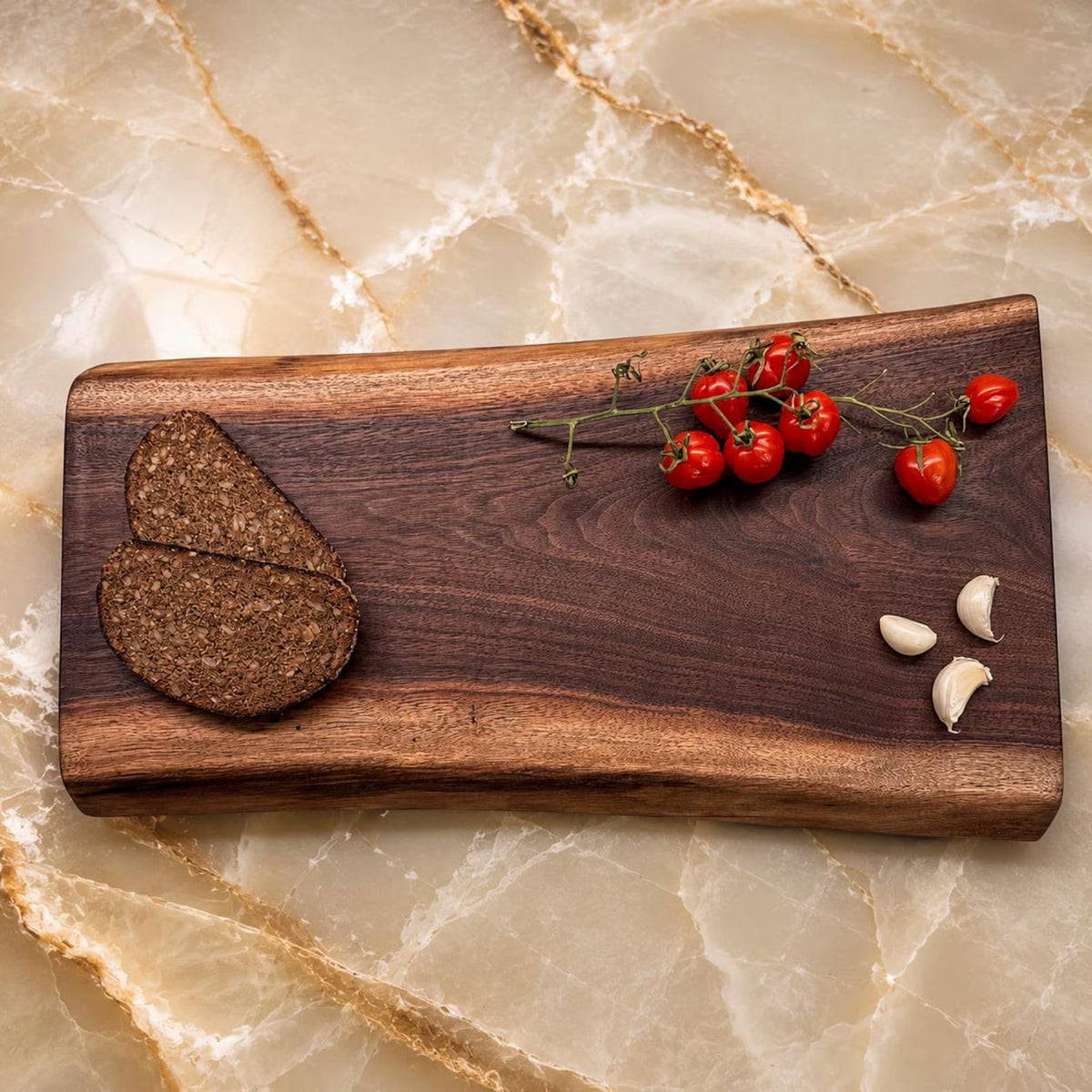
A good chopping board should feel stable, resist everyday wear and suit the way you actually cook. The wood species matters, but so do thickness, grain, finish and maintenance. If you are comparing wooden chopping boards for an Indian kitchen, here is what to look for.
What makes a wood suitable for chopping boards?
For regular kitchen use, a board should balance hardness and workability. Very soft wood can mark quickly, while an extremely hard surface can feel harsh on knife edges. A smooth, well-finished surface and sufficient thickness are just as important as the wood name itself.
Indian rosewood for chopping boards
Indian rosewood is valued for its rich grain, dense feel and premium appearance. It works especially well for users who want a chopping board that can also double as a serving board.
Explore our Premium Indian Rosewood Chopping Board, Compact Indian Rosewood Chopping Board and Wooden Chopping Board with Handle.
Size and shape matter as much as wood
A compact board is convenient for fruit, garnishes and smaller prep jobs. A larger board gives more room for vegetables and meal prep. A handle can make carrying and hanging easier, while rounded or designer shapes can also work for serving.
Choose based on your use
- Daily vegetable prep: choose a stable board with enough working area.
- Serving: natural grain and shape become more important.
- Small kitchens: compact boards are easier to store.
- Gifting: premium wood and distinctive grain create a stronger presentation.
How to make a wooden chopping board last longer
A quality wooden board still needs sensible care. Avoid long soaking, dry it after washing and do not keep it continuously damp. Read our detailed wooden chopping board care guide for a simple routine.
You can also browse the wider Earthy Woods kitchen collection for wooden serveware, bowls, trays and other kitchen essentials.