
October 12, 2026
Wooden Chopping Board Grain and Colour: What to Check in Product Photos
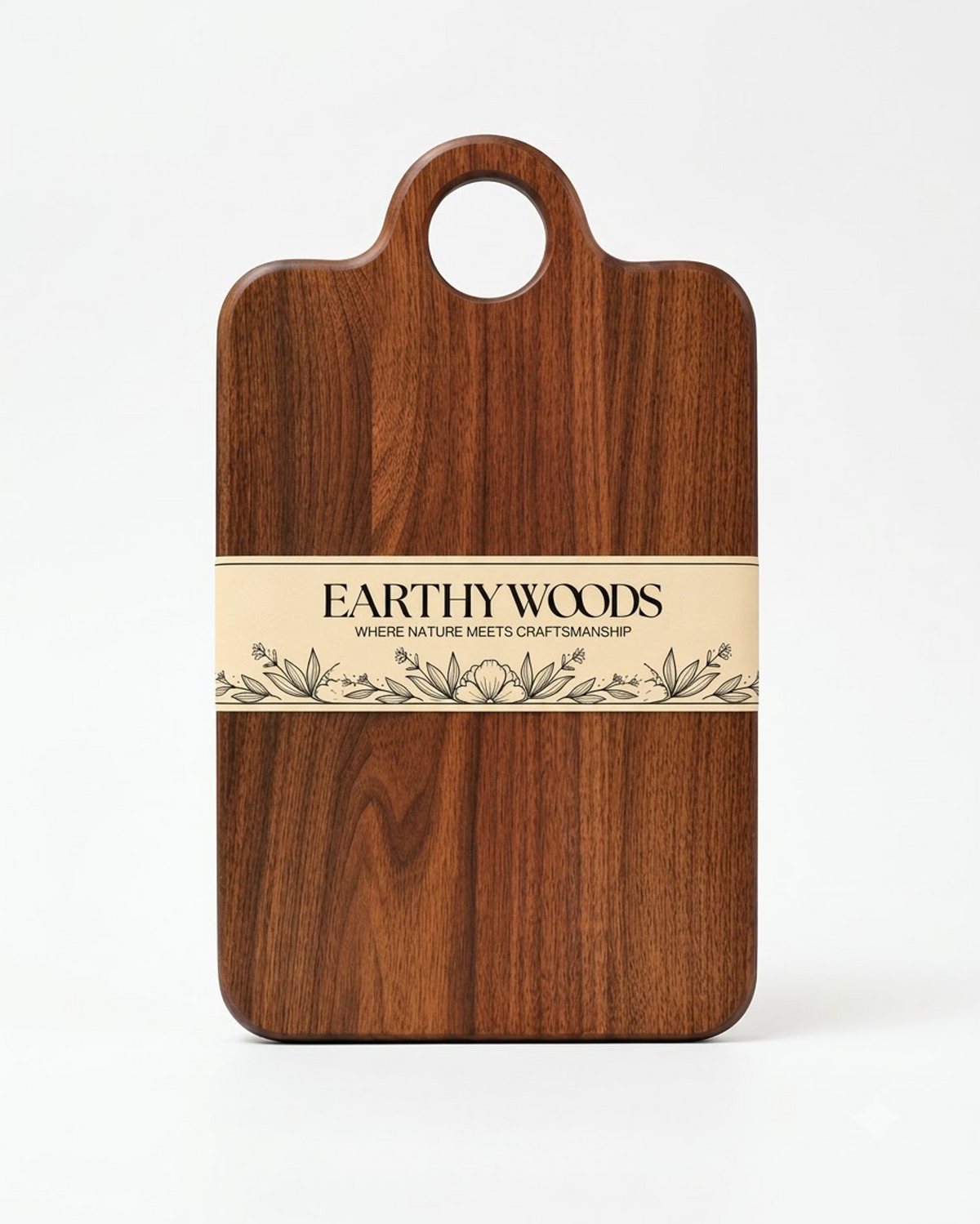
When you shop for a wooden chopping board online, grain and colour are often the first things you notice. A sweeping pattern or a quiet brown surface can make a familiar kitchen object feel personal. The important buying question is what the photograph represents: the exact piece you will receive, or an example of a design.
Earthy Woods product listings describe natural variation between pieces. Use the photographs to understand the design, then read the description to understand what is specified and what may differ. This helps you choose with clearer expectations.
Separate the design from the individual grain pattern
A board's outline, listed dimensions and handle arrangement are design details. The pattern and tone described as naturally variable are a different part of the purchase. Choosing a design does not necessarily mean choosing the precise lines visible in one photograph.
For example, the curved rosewood chopping board is described as having a distinctive curved silhouette, while its grain pattern varies from piece to piece. Treat the shape as the starting point and the photograph as an illustration of the wood's character, unless the store confirms that it shows the exact board offered.
Compare several views before choosing a look
Look beyond the first photograph. A full view helps you judge the overall balance of the pattern; a closer view helps you see how the surface is presented. Side views show the outline and profile. Together, these tell you more than a tightly cropped photograph of attractive grain.
Notice whether the photographs appear to show one piece from several angles or several examples. If that is unclear, ask the store. Do not assume that a dramatic close-up represents every board in the design.
Use colour preferences as a conversation starter
You may prefer a quieter pattern, stronger contrast or a particular brown tone. Tell the store what you are looking for before ordering and ask whether selection or a current-piece photograph is available. Those services should be confirmed rather than assumed.
Photos are a useful starting point, but if a precise colour match matters to your kitchen, ask how best to assess it. A description such as “brown wood tones” is broader than a promise to match a cupboard, countertop or another board exactly.
A live edge adds another detail to check
Some designs make the outline itself part of the appeal. The 15 × 10 × 2 inch live-edge rosewood board is listed with an organic edge and individual grain character. Look at both the face and the edge when deciding whether that style suits you.
Ask what the stated dimensions refer to if the exact usable width matters. Also ask whether the listing photographs show the current piece. An organic outline deserves the same attention as the surface pattern when you are comparing designs.
Do not use grain alone to judge performance
A striking pattern does not provide a measured weight, identify a finish or establish how the board was constructed. Those details belong in the specifications or in a direct answer from the maker. Choose the appearance you enjoy, while checking the practical information separately.
The chopping-board size guide helps you assess cutting space, thickness and room for washing. Keep those checks alongside your visual preferences rather than letting a favourite photograph decide the whole purchase.
Four questions to ask before ordering
- Does this photo show the exact board or an example of the design?
- Which details can vary between pieces?
- Can you provide a current-piece photo if appearance is important to me?
- Are all the practical specifications I need clearly stated?
Browse the Earthy Woods wooden chopping-board collection with both design and individuality in mind. A clear understanding of the photographs makes it easier to choose a piece you will enjoy using and seeing every day.